← Back to the Practical Living Series
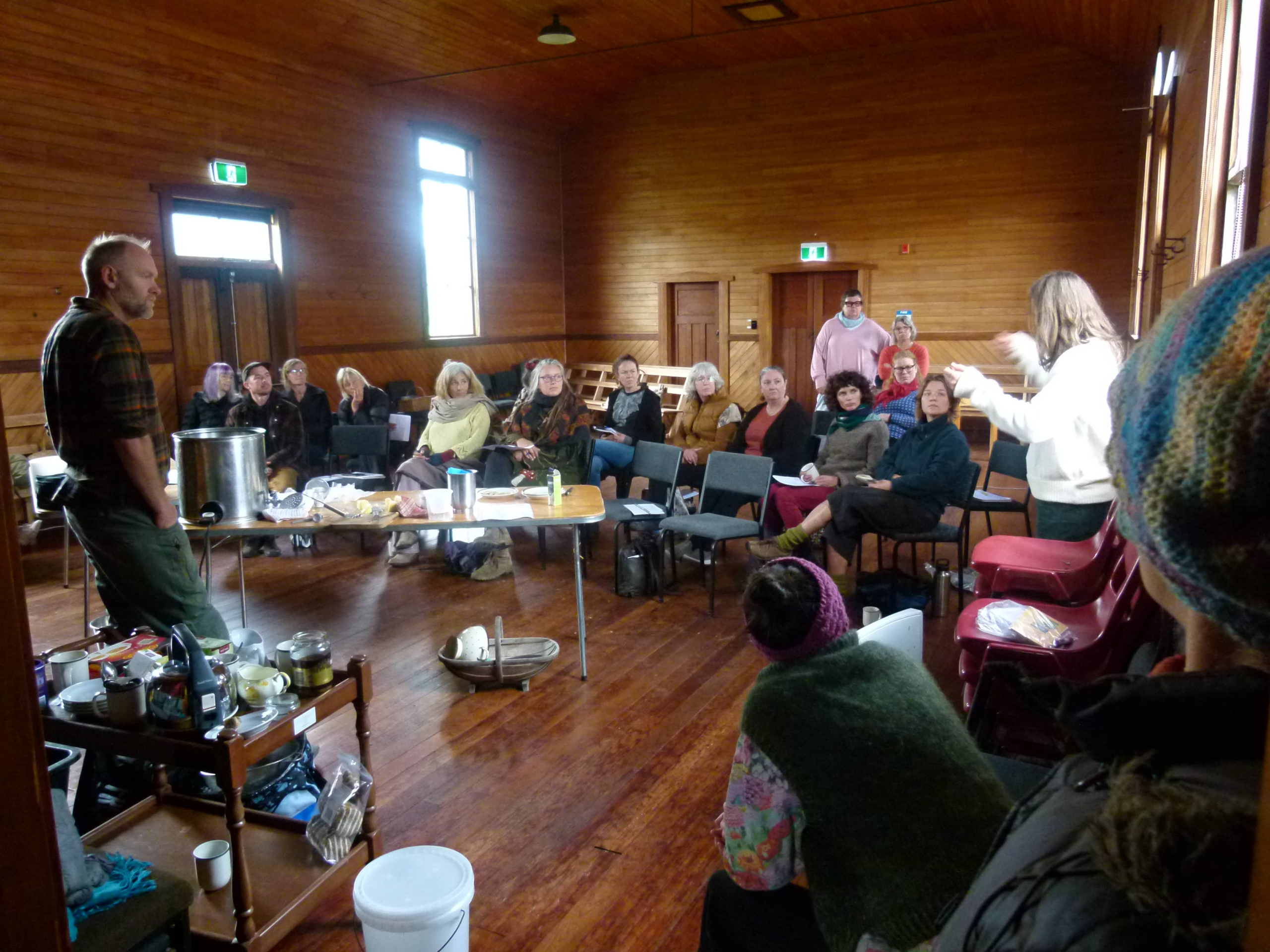
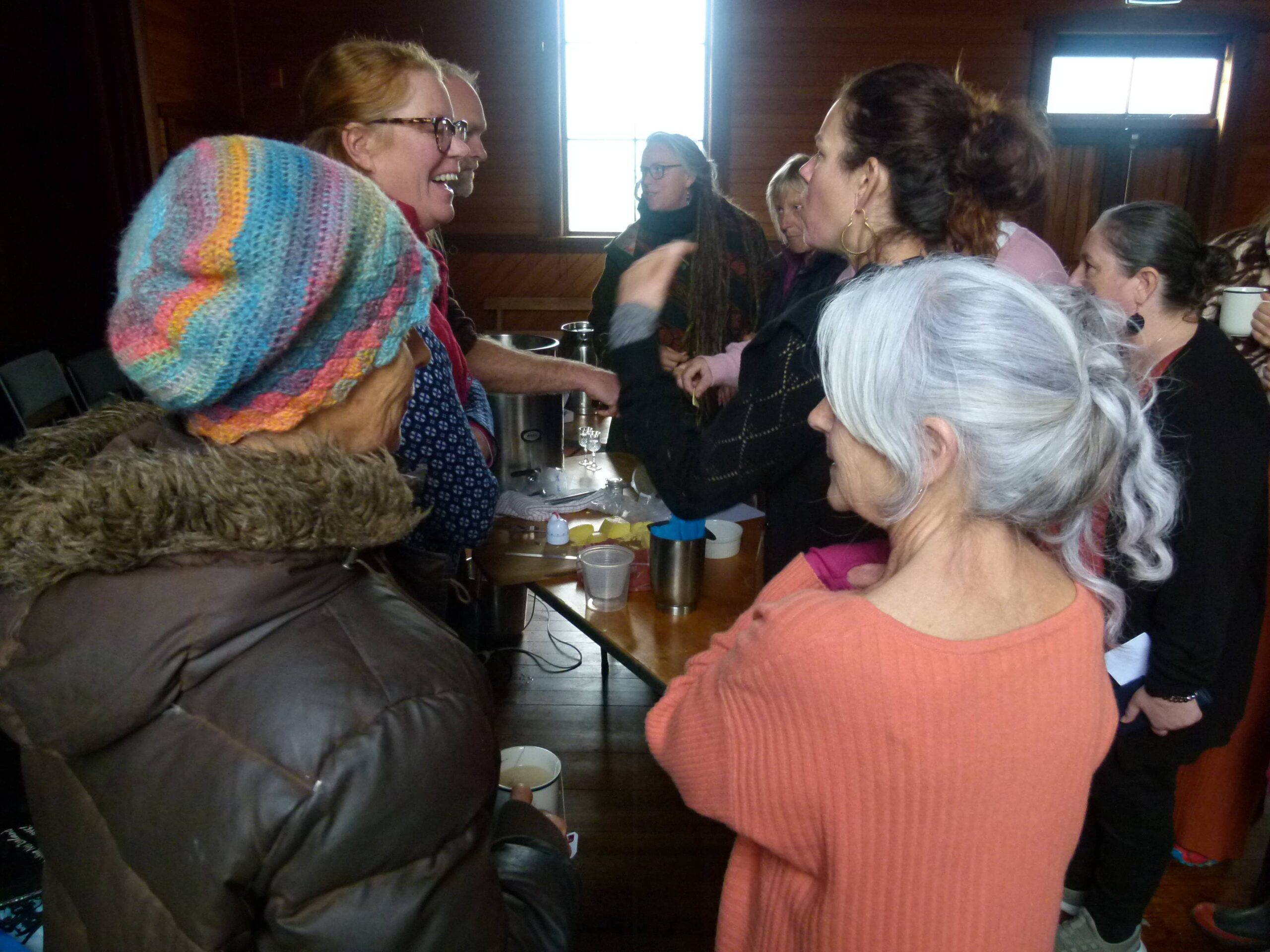
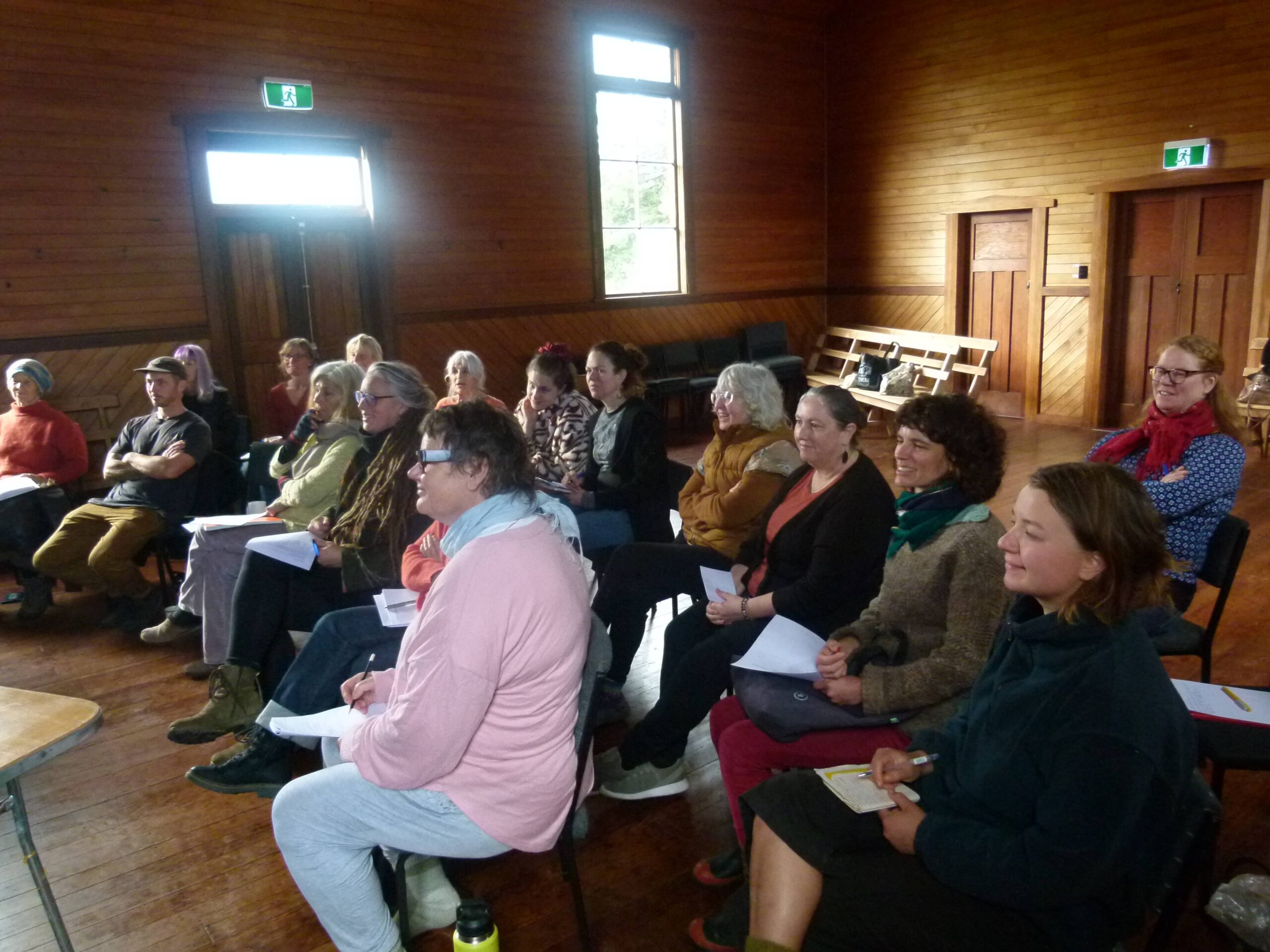
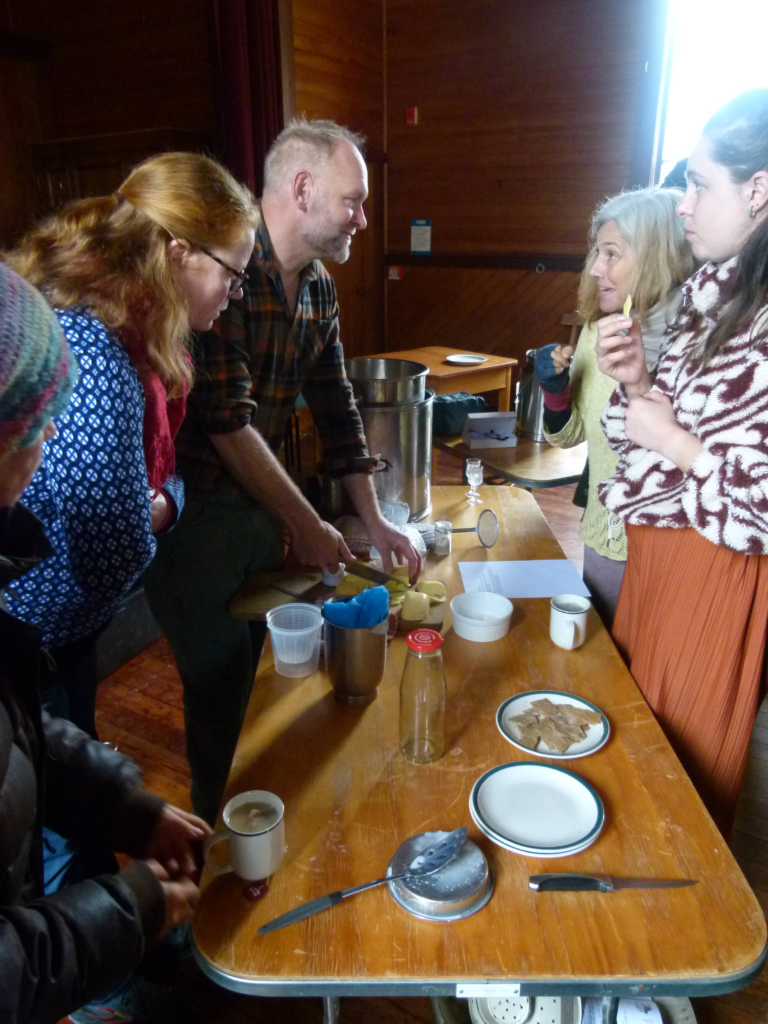
On 23 May, 27 community members (including three expert tutors) gathered at Bainham Hall from 10 am to 2 pm to explore the world of cheese making. We made three cheeses from scratch and rounded the session off with tasting five delicious home made cheeses: Parmesan, gouda, halloumi, mozzarella and emmentaler, thanks to the generosity of the tutors.
A big thank you to the three tutors for sharing their skills, cheeses and milk!
What we made
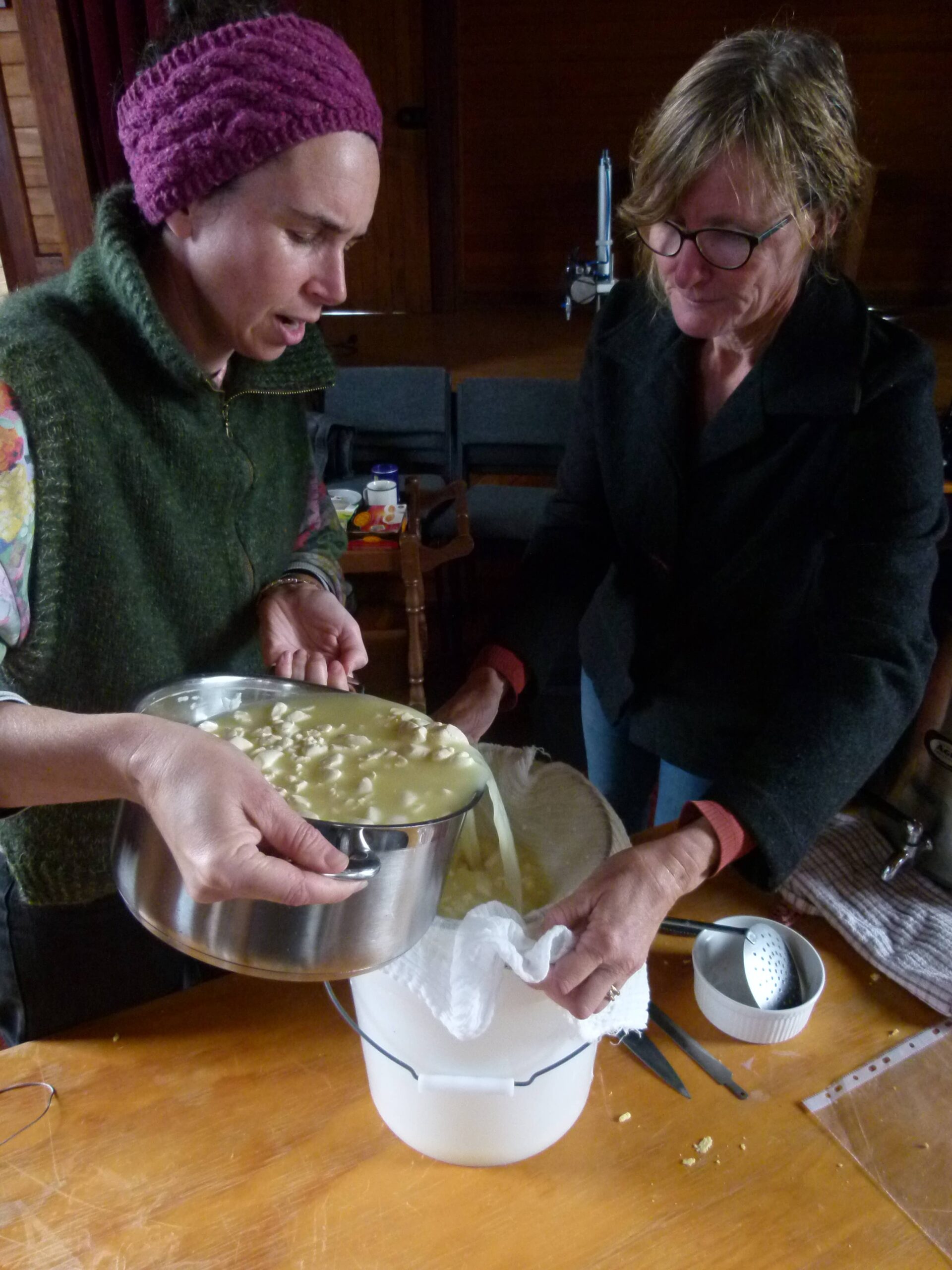
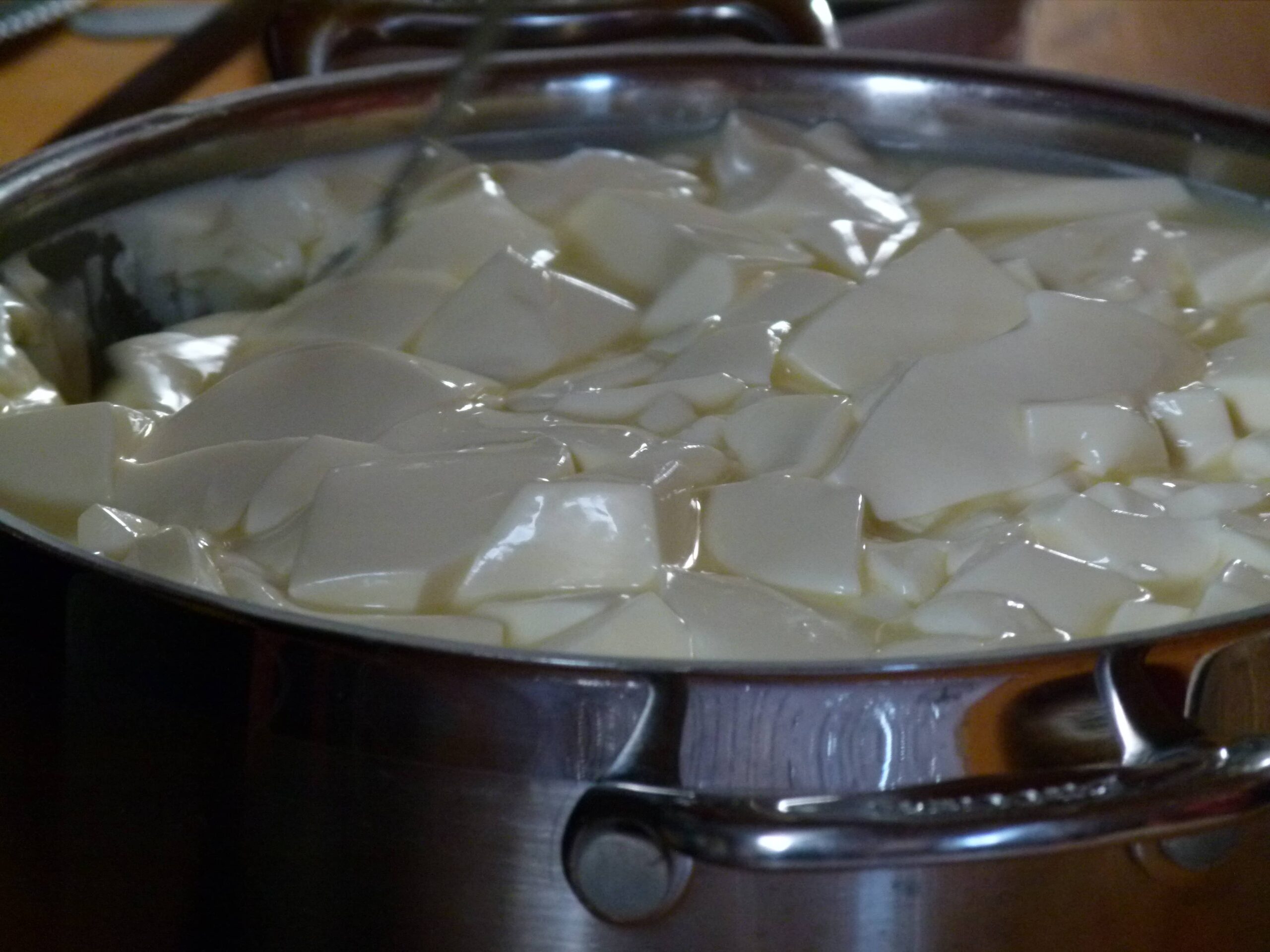
Three cheeses were produced on the day, all included in the Session 4 Recipe Booklet (see below):
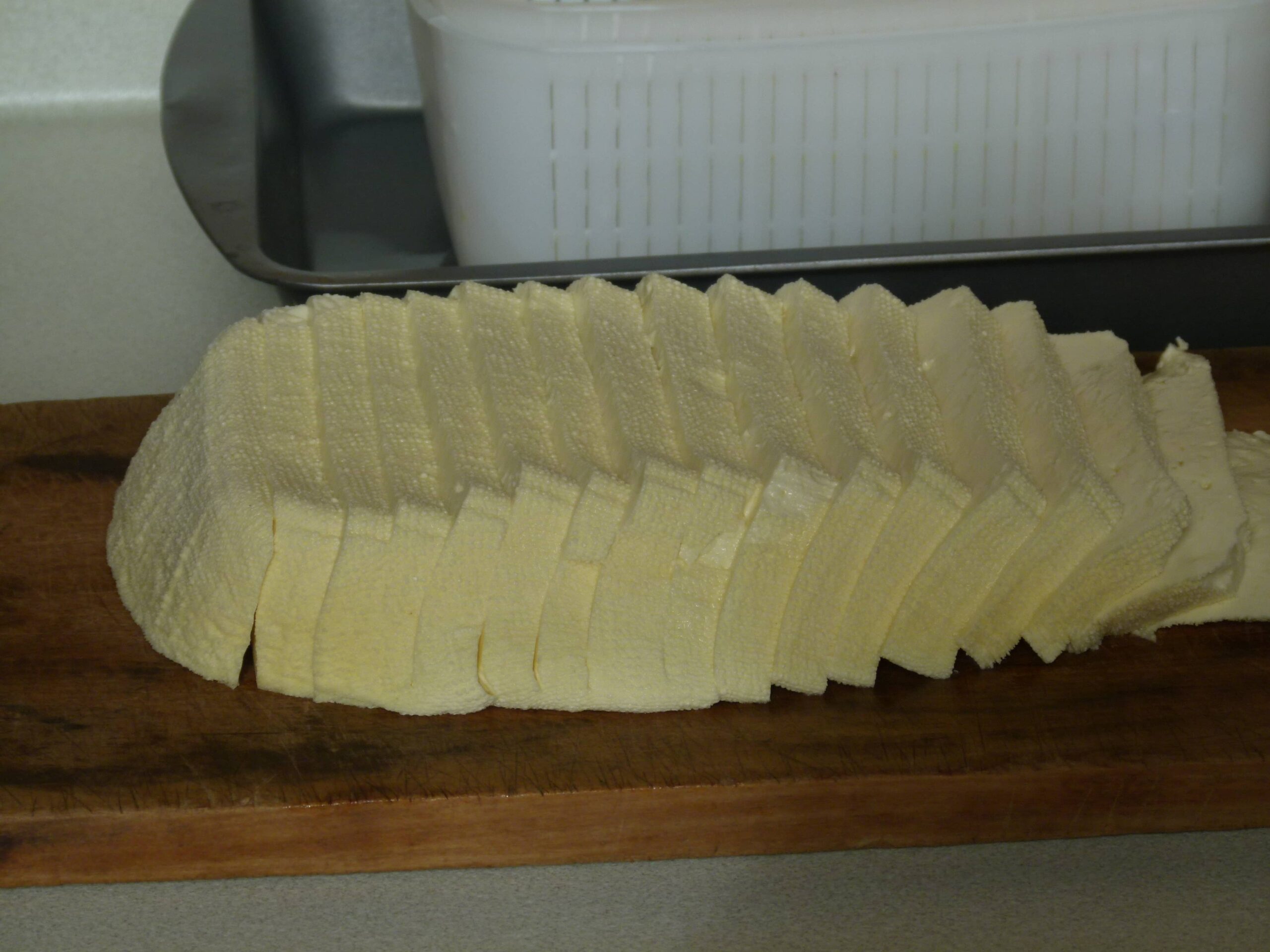
- 🧀 Halloumi: Fresh, squeaky and ready to eat the same day; warm slices straight from the whey with a sprinkle of salt and pepper
- 🧀 Mozzarella: The magic stretch moment as hot curds were pulled and kneaded into silky balls
- 🧀 Parmesan: The long game: A wheel that will sit ageing for several months
What we learned
A few key takeaways from the session:
- Milk quality matters enormously: Non-homogenised, high-fat milk gives the best results for all three cheeses
- Temperature precision is the difference between success and failure: A food thermometer is essential
- Fresh cheeses (halloumi and mozzarella) can be made and eaten in a single afternoon. Aged cheese (parmesan) is a months-long commitment and an act of patience
- The stretching stage of mozzarella needs the curd to be genuinely hot. Keep going back into the hot water until it flows freely
- Rennet type matters: Animal rennet gives a firmer curd for hard cheeses like parmesan; microbial rennet works well for halloumi and mozzarella
- The tasting made clear how much ageing transforms flavour: The parmesan’s crystalline intensity versus the fresh mozzarella’s milkiness are almost unrecognisable as coming from the same base ingredient
Recipe booklets
All three recipes from the day (halloumi, mozzarella and parmesan) are compiled in a downloadable booklet, along with food safety notes and supplier resources.
📥 Download the Session 4 Recipe Booklet on Cheese Making (PDF)
After Session 1, we also created a recipe booklet on preserving.
📥 Download the Session 1 Recipe Booklet on Preserving (PDF)
Tasting table
Alongside the making, the tutors treated us to tasting five different home made cheeses to explore how different cultures, temperatures and ageing times produce such a remarkable range of flavours and textures:
| Cheese | Style | Notes |
|---|---|---|
| Halloumi | Fresh, semi-firm | High melting point, salty, squeaky |
| Mozzarella | Fresh, stretched curd | Mild, milky, elastic |
| Gouda | Semi-hard, washed curd | Buttery, smooth, slightly sweet |
| Emmentaler | Hard, with eyes | Nutty, complex. Holes are made by gas-producing bacteria |
| Parmesan | Hard, long-aged | Crystalline, umami-rich, the most complex of the five |
Resilience and connections in the Bay
While the cheese was setting, conversations kept turning to community resilience at large and the community garden project growing quietly in the back of Bainham Hall. We’re building shared growing infrastructure to support local food resilience in the valley, and there’s real momentum building.
🌱 Community garden update
You can follow the progress on the Connected Pathways YouTube channel:
- 🎬Community Garden: Stage 1: The first raised bed taking shape
- 🎬Community Garden: Stage 2: Volunteers building a hugelkultur base: Collecting gorse mulch, sheep wool and gorse branches. With calf bedding and goat dung, this mixture will create rich, deep layers.
A big thank you to the volunteers who showed up for Stage 1 and Stage 2 and to the creator of the videos for capturing our work so beautifully.
We need your help: Two gardens, two opportunities
🏡 Bainham Hall community garden: Working bees to continue building and planting. No experience needed, just willing hands.
🏫 Collingwood Area School garden: Supporting the school garden is a chance to connect practical food skills with the next generation.
We’re putting together a volunteer list. This is not a commitment to every session, just a pool of people happy to be called on from time to time. If that sounds like you, please get in touch.
Materials needed: We’re still looking for donations of pallets, warratahs and corrugated iron. If you have any going spare, please reach out.
👉 Contact Bergie to add your name to the volunteer list or to arrange materials.
Could Golden Bay have its own network of community hubs?
One of the most lively conversations at the cheese making session and previously at the recent Golden Bay Resilience Expo kept circling back to the same idea: What if every locality in the bay had its own little hub of people sharing skills, resources and kai?
The Aorere Valley Practical Living Series is starting to prove the concept by
- bringing 27 people together to learn about cheese making,
- building a community garden using hugelkultur principles and
- producing recipe booklets people are using at home
That’s a hub taking shape: Neighbours connecting around practical skills and shared resources.
But what about Collingwood, Tākaka, Onekaka, Parapara, Rockville, Pohara? What’s already quietly happening there? What could, with a little encouragement and visibility, grow into something more?
We’re thinking about creating local hub pages on this website: A simple space for each locality to celebrate what’s already happening, post what’s needed and make connections. Not a formal structure, not a committee, not another organisation. Just a living noticeboard: Here’s what we’re doing, here’s what we need, here’s what we can offer.
Before we go ahead, we want to know what you think.
To get your imagination going, we’ve put together a list of over 90 activities that communities like ours have used to build resilience and connection, from shared bulk buying and seed saving circles to repair cafés, earth cellars, community orchards and inter-hub feasts. Some need a dozen people; some need just three. Some cost nothing; some need a small collective investment. All of them start with neighbours deciding to do something together.
📥 Download the Golden Bay Neighbourhood Hubs: Activity Ideas (PDF)
We’d love to hear your thoughts:
- What one activity from the list excites you most?
- Is there already something happening in your locality that deserves to be visible and celebrated?
- Would a hub page on this website be useful to you and your community?
- Would you be willing to be a contact person for your area?
Next session: Fermenting
📅 Sunday, 20 June 2026, 11 am – 3 pm (working bee community garden: start 10 am)📍 Bainham Hall, Golden Bay
Fermentation is one of the oldest and most powerful food preservation traditions. And it’s far simpler than people think. Come learn how to make fermented vegetables, kimchee, kefir, fermented carrots and more. All levels welcome.
Koha: gold coin (Rural Women members) / $5 (non-members)